




24hr Emergency Contact: 0333 2005 786
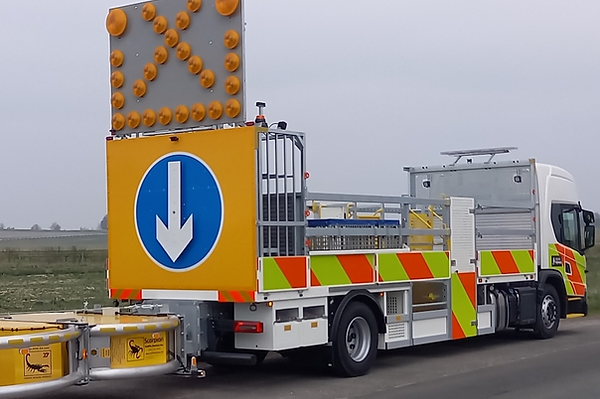
Primus are experts in the field of High-speed temporary traffic management which involves implementing carefully planned measures such as lane closures, temporary road signs, and impact-protection vehicles—to manage traffic safely on roads with higher speed limits, typically 50mph and above. These systems are designed to protect road workers and the public and maintain efficient traffic flow.
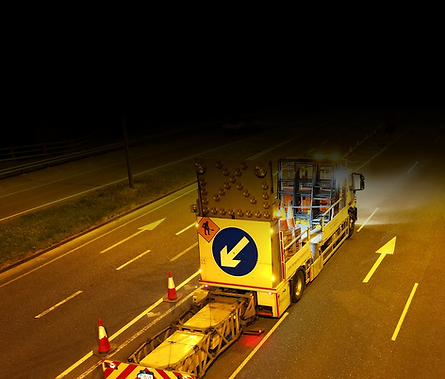
12AB High-Speed

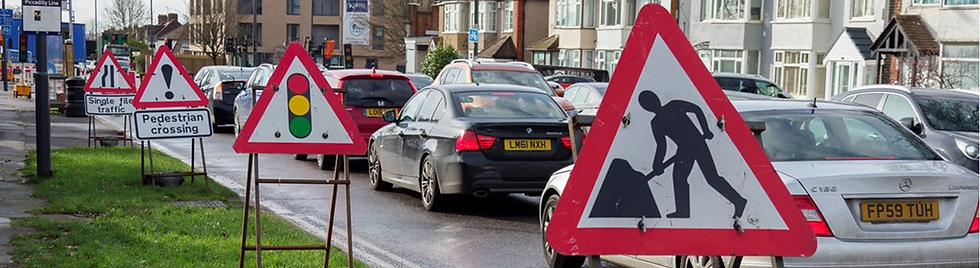
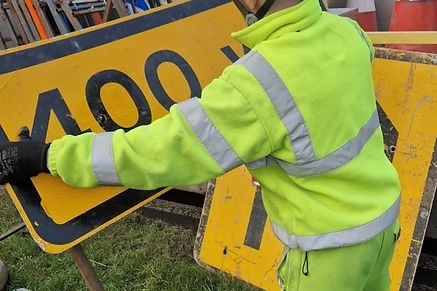
Here at Primus, we specialise in Low-speed temporary traffic management which involves the use of controlled measures such as temporary speed limits, signage, cones, barriers, and traffic control operatives to safely guide road users through or around short-term works or incidents. These arrangements are designed to protect workers and the public and maintain traffic flow.

12D Low-Speed

At Primus we are proud to have an expert workforce in temporary traffic management consisting of highly trained, accredited professionals who plan, install, and maintain safe traffic management arrangements in line with national standards. Their knowledge of legislation, risk assessment, and best-practice methods ensures the protection of road users and workers, the efficient operation of worksites, and full compliance with the Traffic Signs Manual, industry codes of practice, and relevant training requirements.
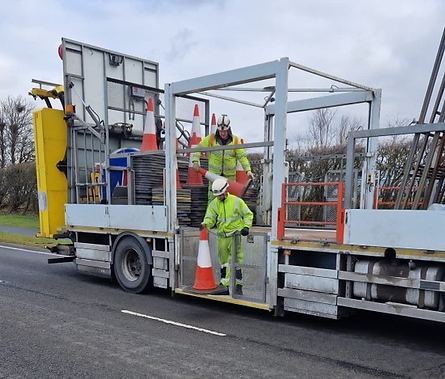
Expert Workforce

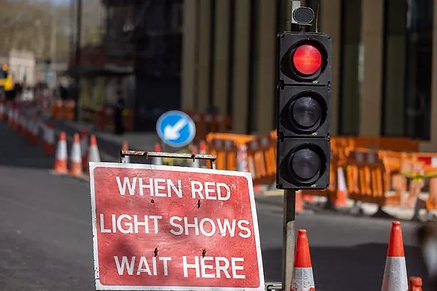

Traffic Management Systems and Services
Temporary traffic management (TTM) in the UK is a structured and safety-critical discipline designed to control and guide road users through or around worksites, incidents, and events on the highway network. It ensures the protection of both the travelling public and the workforce while maintaining efficient traffic flow and minimising disruption. TTM schemes are developed through thorough planning, risk assessment, and site-specific design, taking into account road classification, speed environment, visibility, and operational requirements.
We are required to work in accordance with national standards and legislation, including the Traffic Signs Manual (TSM) Chapter 8, the Safety at Street Works and Road Works Code of Practice, and sector-specific guidance such as National Highways’ sector schemes (e.g., NHSS 12). These documents define the procedures, equipment, signage, and safety controls needed for compliant traffic management on both low-speed and high-speed roads.
A typical scheme may involve temporary signs, cones, barriers, lane closures, traffic signals, convoy working, vehicle-mounted signage, and impact protection vehicles, depending on the speed and complexity of the road environment. Implementation and ongoing monitoring are carried out by trained and accredited professionals who adjust arrangements as conditions change, ensuring continuous safety and operational effectiveness.
Overall, temporary traffic management in the UK plays a vital role in supporting maintenance, construction, utilities work, and emergency operations across the road network while prioritising safety, compliance, and the smooth movement of people and goods.
24hr
Survey Response & Emergency Callout
10,000
Projects Completed
99%
Customer Satisfaction
0
Site Accidents
Get in Touch
Latest Posts
Certifications, Accreditations and Memberships
